
Contents
The Ultimate Washington DC Home Remodeling Guide: Costs, Timelines, and Smart Planning
A major home renovation is one of the most rewarding investments you can make—but it's also one of the most complex. Whether you're restoring a historic Georgetown townhouse, expanding a Victorian era home in Cleveland Park, modernizing a four square in Chevy Chase, or reimagining a Colonial in Northwest Washington, success begins long before construction starts.
Unlike many parts of the country, remodeling in the Washington DC metro area presents unique challenges. Older homes often conceal aging plumbing, obsolete electrical systems, structural surprises, and decades of previous renovations. Historic district regulations, zoning requirements, and permitting can also influence both design decisions and project timelines.
Fortunately, homeowners who seek sound guidance to understand the process before they begin are far more likely to enjoy a successful renovation.
This guide brings together decades of experience renovating homes throughout the Washington metropolitan area and answers the questions homeowners ask most often—from budgeting and scheduling to choosing the right remodeling services partner.
1. Understanding the Cost of Remodeling in Washington, DC
One of the first questions homeowners ask is, "How much does it cost to remodel a home in Washington DC?" Unfortunately, there isn't a simple answer. As a company that has been remodeling for over forty years, we can provide realistic price ranges to help you understand how to budget for a home renovation specifically in the Washington DC metropolitan area.
Every renovation is unique. The age of the home, the complexity of the design, the aesthetic quality of materials, existing conditions on the property, and the level of craftsmanship required to succeed – all influence the final investment.

Older Washington homes frequently require improvements that aren't visible during the initial walkthrough. Electrical systems may need updating to meet current code. Plumbing may need replacement. Structural framing often requires reinforcement. These aren't glamorous expenses, but they are essential to creating a renovation that performs beautifully for decades.
Quality also has a price. Think of it this way: the more beautiful the picture, the more it costs to create.
Experienced architects, interior designers, project managers, and skilled craftspeople invest significant time before construction even begins. Careful planning, detailed drawings, accurate budgeting, and thoughtful material selection help prevent expensive surprises later. Also, hiring and retaining top notch personnel is not inexpensive for a renovation company.
Rather than asking how little a renovation can cost, consider asking a different question:
"What investment will allow us to create a home we'll love for the next twenty years?"
That shift in perspective changes the conversation from minimizing cost to maximizing long-term value.
What Homeowners Should Know
The best renovations deliver two kinds of return:
- Financial ROI through increased market value.
- Lifestyle ROI through better functionality, improved comfort, and greater enjoyment every day.
For many families, the second proves far more meaningful.
2. How Long Does a Home Renovation Take?
Another common question is, "How long should my remodeling project take?"
The honest answer is longer than most television shows suggest.
A successful renovation includes much more than construction. The process begins with design, budgeting, engineering, permitting, and material selections before demolition even starts.
While every project is different, homeowners should generally expect that:
- Kitchen remodeling requires several months from design through completion.
- Additions and whole-home renovations require considerably longer, from six to twelve months .
- Historic district requirements or complex structural improvements may also influence the timeline.
Many factors influence the timeline:
- Permit review
- Material lead times
- Specialty product availability
- Inspection scheduling
- Existing conditions discovered during demolition
- Client-requested changes
The difference between a stressful project and a well-managed one isn't whether challenges arise—they almost always do. It's whether your remodeling team anticipated them, communicated clearly, and adapted efficiently.
What Homeowners Should Know
Be cautious of contractors promising unusually fast completion before thoroughly evaluating your home. Realistic schedules built on careful planning almost always produce better outcomes than unrealistic promises.
Related Reading:

3. Living Through Construction: Should You Stay or Move Out?
Every family approaches renovation differently. Some homeowners prefer to remain in the house throughout construction. Others value maintaining normal routines and choose temporary housing.
Neither decision is inherently right or wrong.
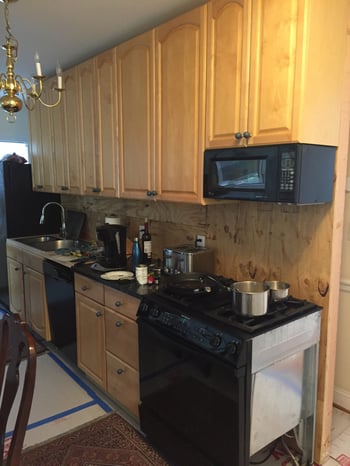
For kitchen renovations, many families successfully create a fully functioning temporary kitchen made up of the components of the old kitchen including a refrigerator, sink, dishwasher, range, microwave, cabinets and countertops. Meal planning becomes simpler, and local restaurants often become part of the weekly routine.
Larger renovations involving multiple floors, structural work, or extensive utility shutdowns may make temporary relocation the more practical choice.
Ask yourself:
- Do you work from home?
- Do you have young children?
- How will your pets respond?
- How tolerant are you of noise and dust?
- How important is maintaining daily routines?
Your renovation team should help you evaluate these considerations long before construction begins.
What Homeowners Should Know
The goal isn't simply surviving construction—it's preserving your family's quality of life while the transformation takes place.
Related Reading:
4. Choosing the Right Home Remodeling Contractor
Searching for the best remodeling contractor in Washington DC can produce dozens of results. The more important question is:
Who is the right remodeling contractor for your project?
Different companies serve different markets. Some specialize in cosmetic improvements. Others focus on kitchens. Some primarily provide construction services after another company completes the design.
High-end design-build firms integrate architecture, interior design,
budgeting, engineering, permitting, and construction under one coordinated team.
As you evaluate companies, look beyond price. Instead, consider:
- Experience with projects like yours
- Design capabilities
- Quality of completed work
- Communication style
- Project management systems
- Longevity and reputation
- References from clients with similar homes
The lowest proposal rarely represents the greatest long-term value. Likewise, the highest proposal isn't automatically the best.
Choose the company whose experience, philosophy, and process best align with your expectations.
What Homeowners Should Know
You're choosing a partner you'll work with for months. Trust, communication, and professionalism matter every bit as much as design artistry and craftsmanship.
5. Why More Homeowners Are Choosing Design-Build Remodeling
Design-build is a preferred method of approaching complex residential renovations.
Rather than hiring an architect, interior designer, and contractor separately,

homeowners work with one integrated team from beginning to end.
This collaborative approach creates significant advantages.
- Design decisions are evaluated alongside construction costs from the earliest stages.
- Potential challenges are identified before construction begins.
- Communication improves because everyone shares the same objectives.
- Responsibility is clear because one team manages the entire process.
The result is fewer surprises, fewer conflicts, a firm project budget, and a more cohesive renovation experience.
What Homeowners Should Know
Design-build isn't simply about convenience.
It's about creating a better renovation process—one where design excellence, construction expertise, and project management work together rather than independently.

6. Why Project Management Is the Difference Between Chaos and Confidence
Beautiful design is only half the equation.
Exceptional project management transforms great plans into successful renovations.
Your project manager becomes your primary point of contact throughout construction, coordinating schedules, subcontractors, inspections, material deliveries, quality control, and homeowner communication.
The best project managers make complex renovations go smoothly. They will keep you informed so you always know:
- What was completed this week
- What's scheduled next
- Whether the project remains on schedule
- Which decisions require your attention
- How unexpected discoveries are being addressed
Consistent communication builds confidence throughout construction.

What Homeowners Should Know
Excellent project management often goes unnoticed—which is precisely the point. Problems are resolved before they become crises, allowing construction to progress efficiently.
Related Reading:
7. Buying a Home with Plans to Remodel
Often, Washington DC-area buyers intentionally purchase the least expensive home in an established neighborhood with plans to renovate.
It can be an excellent strategy—but only if you fully understand the property's limitations as well as its appeal.
Historic preservation requirements, zoning regulations, lot coverage restrictions, setback requirements, easements, and structural conditions can all influence what can realistically be built.
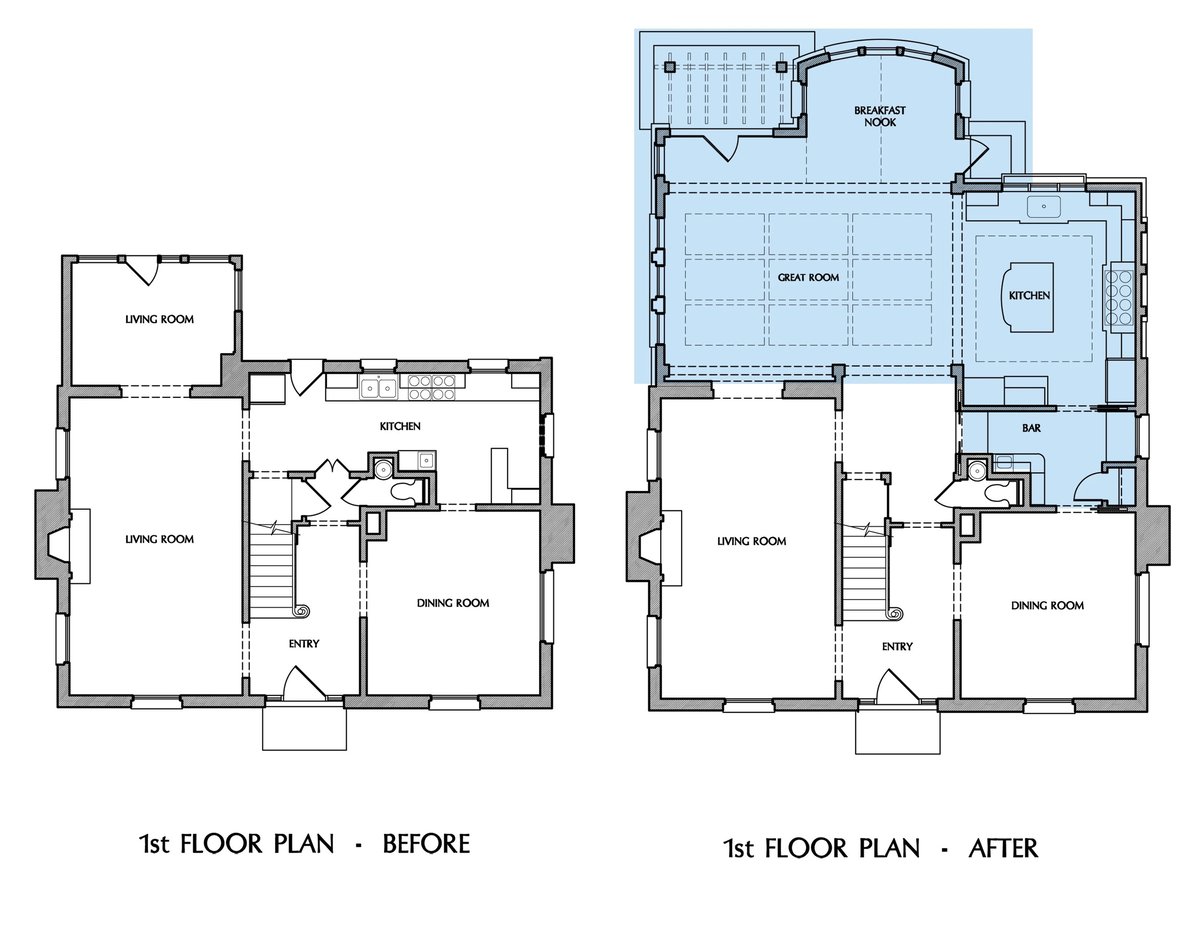
Before purchasing, consider having a design-build professional evaluate the property. A pre-purchase evaluation can identify opportunities, constraints, likely renovation costs, and expansion potential before you commit to the purchase. This early guidance often prevents disappointment later.
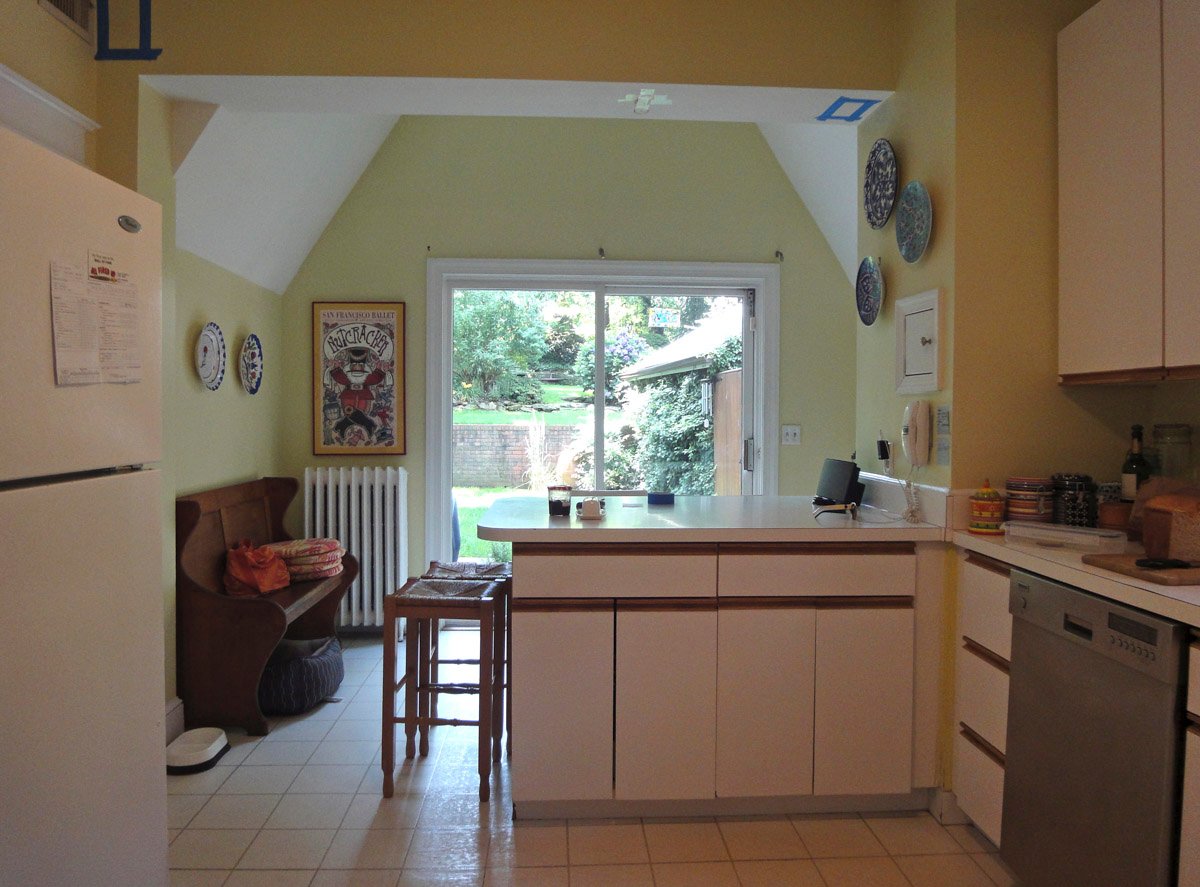
BEFORE

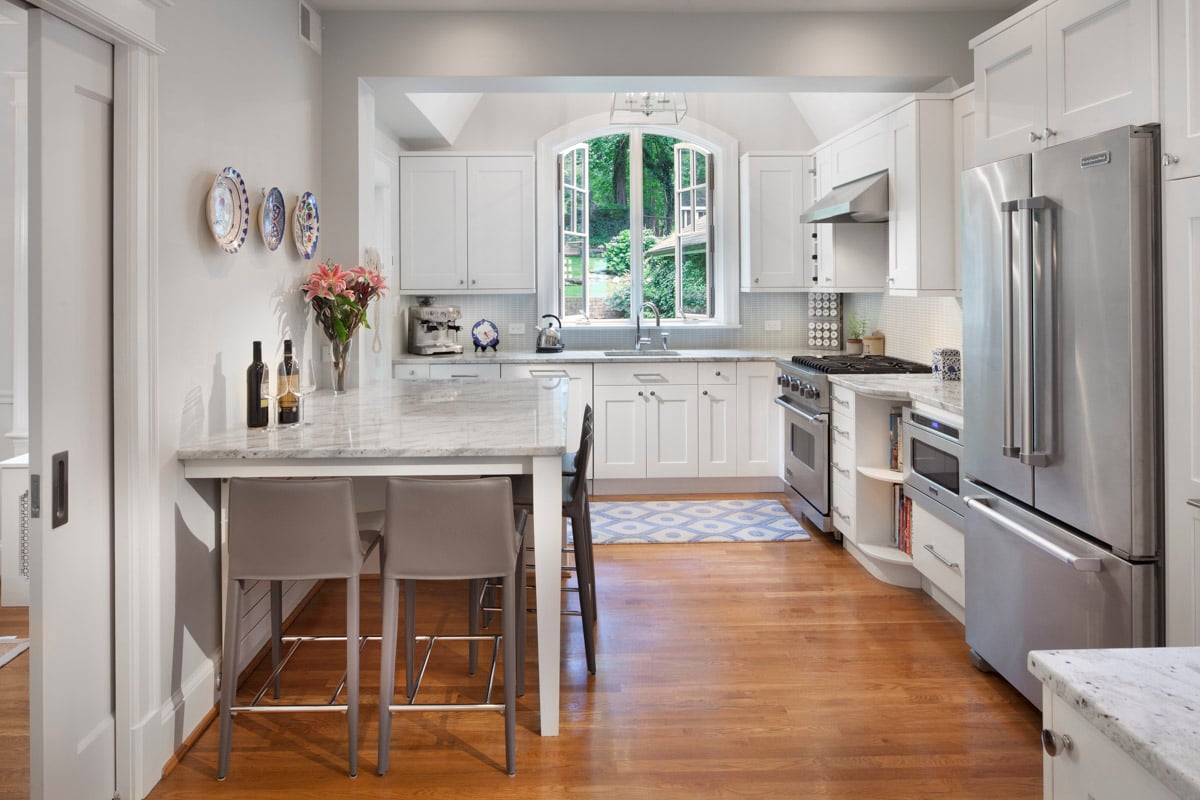
AFTER

What Homeowners Should Know
The "right" house isn't always the one with the nicest finishes today. Sometimes it's the home with the greatest potential—provided that potential can actually be realized.
Related Reading:
8. Rethinking Return on Investment
Homeowners frequently ask which renovation offers the highest return on investment.
While resale value certainly matters, it's only part of the equation.
Neighborhood desirability, school districts, architectural character, and market conditions all influence resale value just as much as individual remodeling decisions.
Equally important is how your home supports your life.
- A brighter kitchen where family naturally gathers.
- A primary suite that provides genuine comfort.
- An addition that allows your family to remain in a neighborhood you love.
Instead of asking,
"Will I get my money back?"
consider asking,
"Will this renovation improve the way we live every day for the next twenty years?"
That's the question that often leads to the smartest remodeling decisions.
What Homeowners Should Know
The best renovations balance both dollars and “sense”—enhancing long-term property value while creating a home that's more beautiful, functional, and enjoyable to live in right now.

Begin Your Renovation with Confidence
A successful renovation begins with informed decisions.
Understanding realistic costs, timelines, design and construction expertise, project management, and long-term value allows you to approach your project with confidence rather than uncertainty.
For homeowners throughout Washington, DC and the near Maryland and Virginia suburbs, investing time in up front planning is critically important. When experienced designers, skilled craftspeople, and disciplined project managers work together from the outset, the renovation process becomes more predictable, more enjoyable, and ultimately more rewarding.
Whether you're updating a single room or reimagining your entire home, thoughtful planning is the foundation of a renovation that will serve your family beautifully for decades to come. If you feel ready to start a conversation about your home remodeling dreams, schedule a consultation now.
Frequently Asked Questions About Home Remodeling in Washington DC
How much does it cost to remodel a home in Washington, DC?
Costs vary depending on the home's age, project complexity, design goals, and material selections. Older homes frequently require hidden infrastructure upgrades that drive up the base cost of the investment.
How long does a home renovation take?
Every project is different, but homeowners should plan for several months from design through construction. Larger renovations and additions often require considerably longer. An extensive whole house renovation could take ten to fifteen months.
Should I move out during a renovation?
It depends on the size of the project and your family's tolerance for disruption. Many homeowners find it to be fairly easy to remain in the home during kitchen renovations. Larger projects often make temporary relocation more practical.
What is design-build remodeling?
Design-build puts architecture, interior design, estimating, and construction into the hands of one integrated team. It creates a more coordinated renovation experience with clearer communication and fewer surprises.
How do I choose the right remodeling contractor?
Look beyond price. Evaluate experience, craftsmanship, communication, project management, design expertise, and whether the company's process aligns with your expectations and the complexity of your project.