
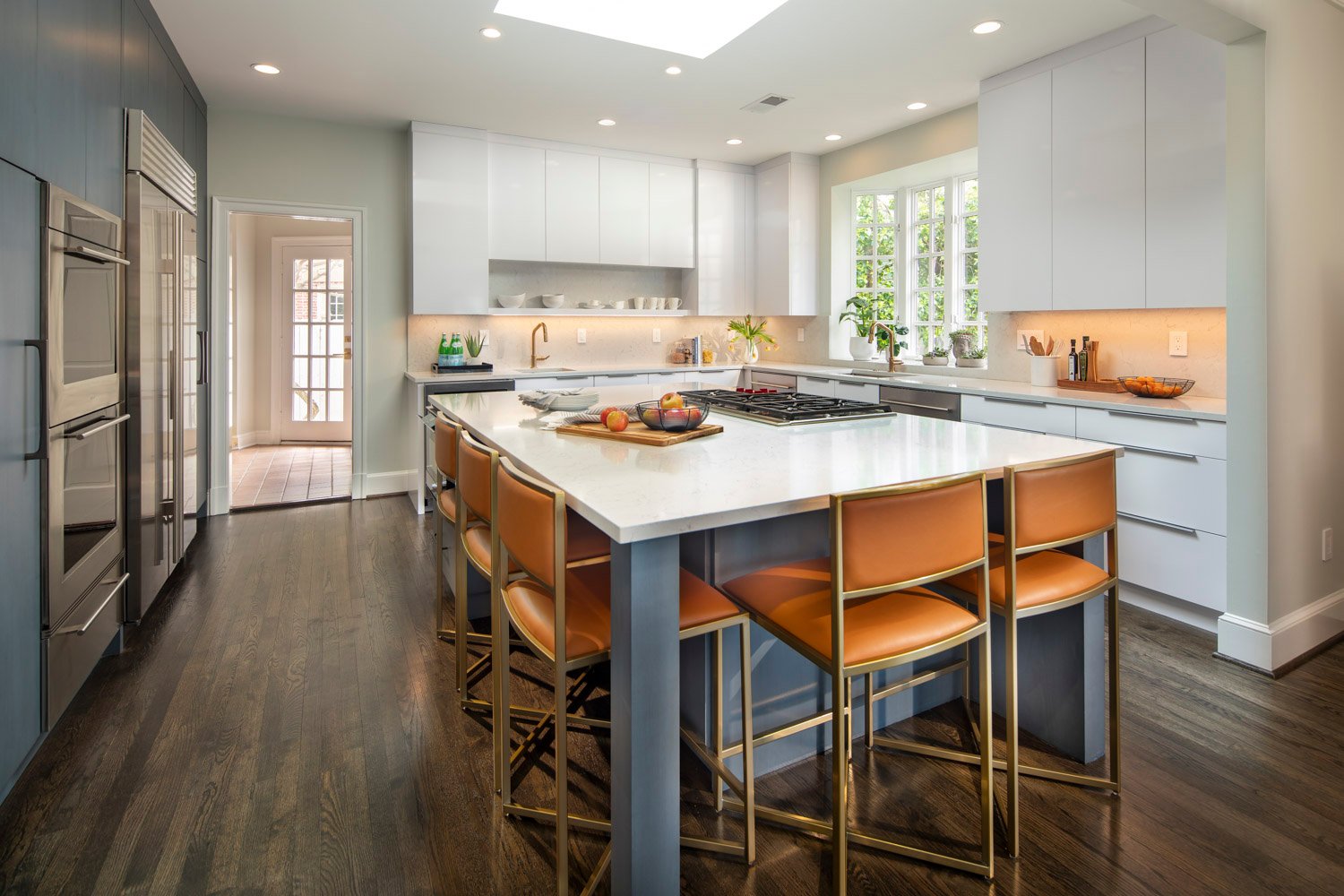
Contents
When to Renovate Your Kitchen
Your kitchen is one of the hardest-working spaces in your home. Over time, cabinet finishes become worn, countertops show years of use, appliances age, and design trends evolve. It's natural to wonder whether a few strategic updates will restore the room—or whether it's time for a complete renovation.
Many homeowners eventually reach the same crossroads: When should you renovate your kitchen instead of simply updating it? While replacing countertops, repainting cabinets, or installing new lighting can improve appearance, cosmetic improvements don't always solve the issues that make a kitchen frustrating to use.
If you're wondering whether your home needs a kitchen update or a complete remodel, understanding the difference can help you make a smarter long-term investment.
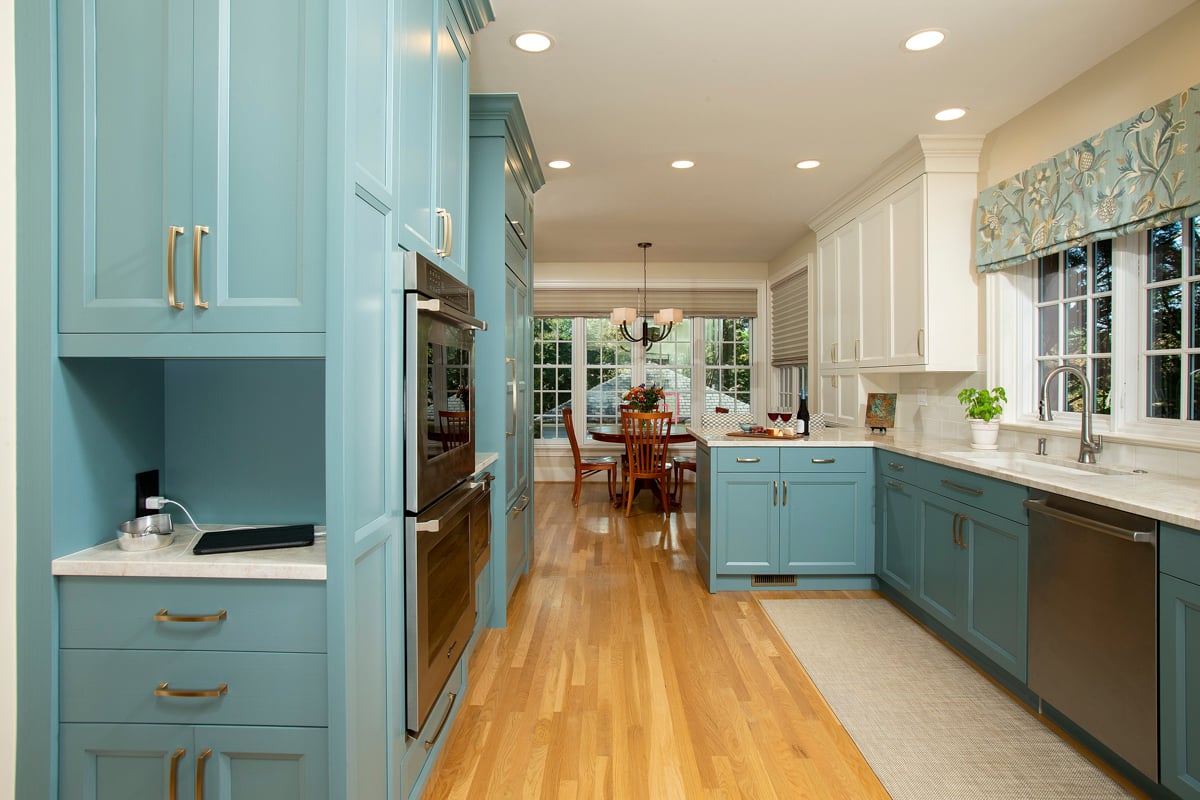
For homeowners in the Washington DC Metro area, the answer isn't always obvious. Beautiful finishes matter, but they can't overcome an inefficient floor plan, inadequate storage, or aging plumbing and electrical systems. The key is understanding what your kitchen truly needs before investing in partial improvements or full scope kitchen remodeling services.
Cosmetic Wear or a Bigger Problem?
Some kitchens simply need refreshing. If your cabinets are structurally sound, the layout functions well, and your plumbing and electrical systems are in good condition, targeted updates may provide exactly the transformation you're looking for.
A kitchen update might include:
- Replacing countertops
- Refinishing or repainting cabinetry
- Installing a new backsplash
- Updating lighting fixtures
- Replacing hardware and plumbing fixtures
- Installing new appliances
These improvements can significantly enhance the appearance of your kitchen while minimizing construction time and disruption.
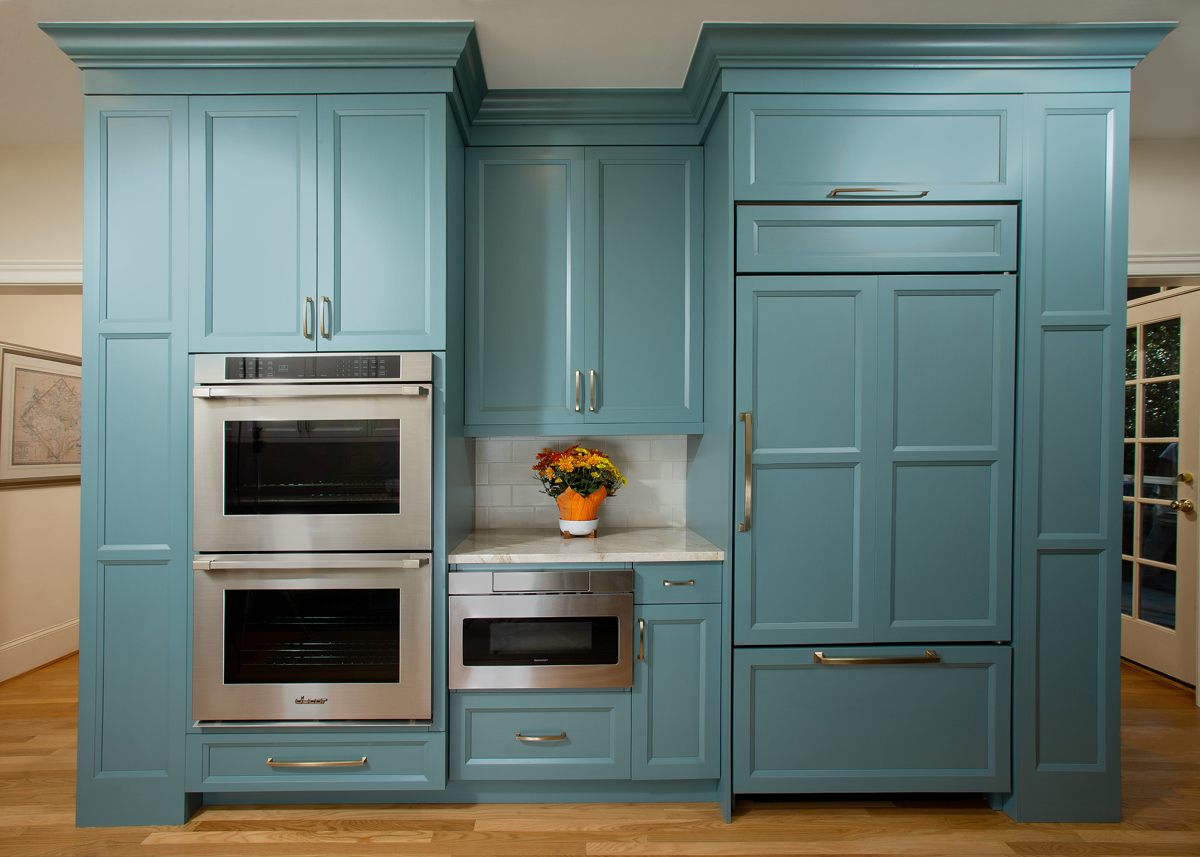
However, if your dissatisfaction extends beyond appearance, cosmetic upgrades may only disguise underlying issues rather than solve them.
How to Know if Your Kitchen Needs Remodeling
One of the biggest misconceptions homeowners have is believing that every aging kitchen requires a complete renovation. In reality, many kitchens benefit from carefully selected updates. The challenge is knowing when to renovate your kitchen because functional problems often hide behind cosmetic wear.
A professional evaluation looks beyond the finishes to determine whether the kitchen's underlying design still supports the way you live. Often, homeowners discover that what they thought was an outdated kitchen is actually a kitchen with an outdated layout.
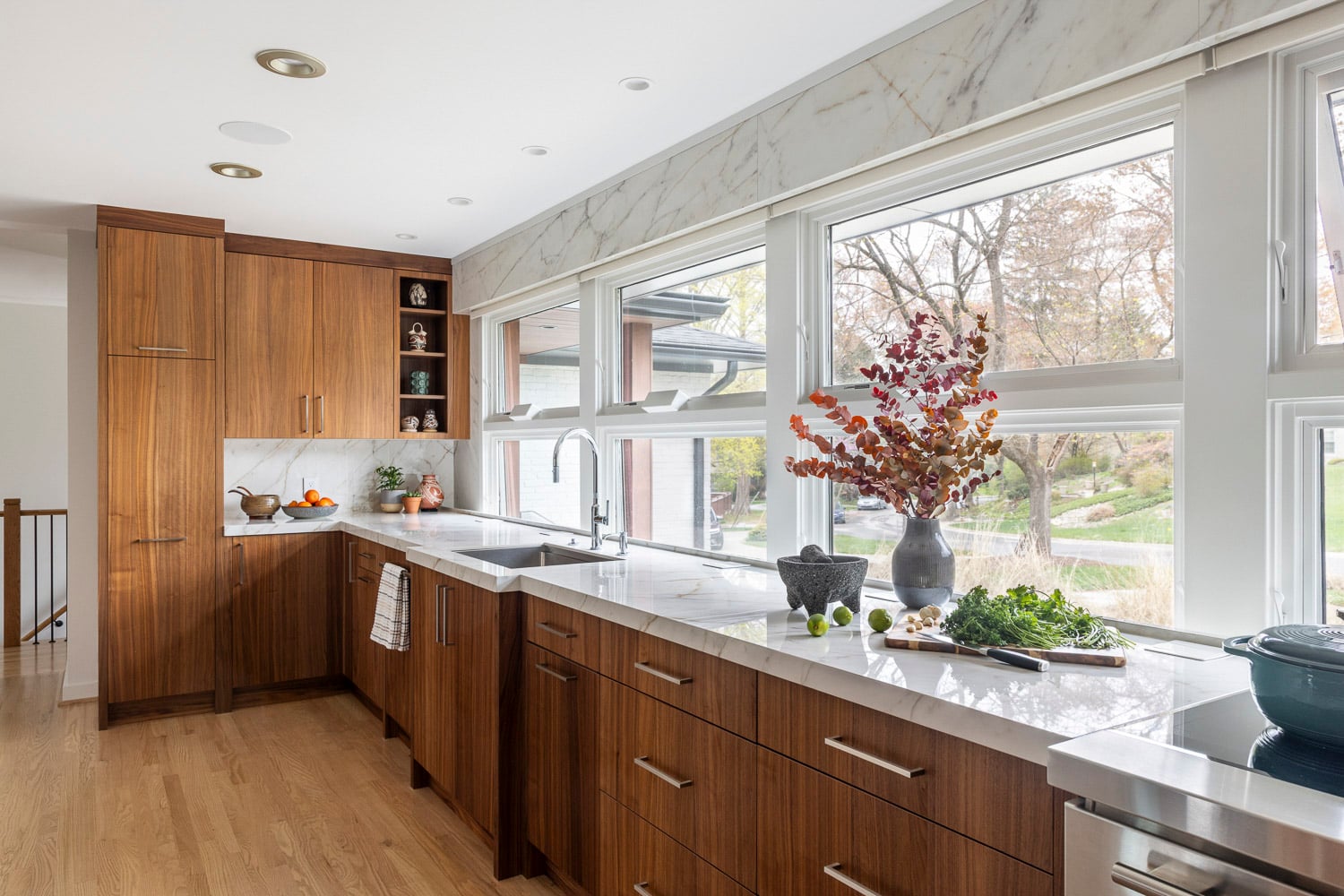
Signs You Need a Kitchen Remodel
Many homes throughout Washington, DC, Bethesda, Chevy Chase, and McLean possess beautiful architectural character, but their kitchens were designed decades ago for very different lifestyles. Several indicators suggest that a comprehensive renovation may be the better long-term investment.
1 The Layout Doesn't Work
If family members constantly bump into one another, there isn't enough workspace for preparing meals, or the kitchen feels isolated from the surrounding living spaces, the layout—not the finishes—is likely the real issue.
A thoughtfully designed renovation can improve circulation, create better connections between rooms, increase natural light, and make the kitchen function more comfortably for everyday living and entertaining.
2 Storage Is Always a Struggle
Countertops cluttered with small appliances and pantry items often point to inadequate storage rather than poor organization.
Custom cabinetry, integrated pantry solutions, deep drawers, and specialized storage features can dramatically improve how the kitchen functions every day while maintaining a clean, uncluttered appearance.
3 Systems Are Showing Their Age
Older kitchens frequently conceal aging plumbing, outdated electrical wiring, insufficient lighting, or inadequate ventilation behind finished surfaces.
If appliances regularly fail, electrical circuits struggle to support today's demands, or plumbing requires repeated repairs, these are strong indicators that a more comprehensive renovation deserves consideration.
4 Previous Renovations Fell Short
Many homeowners purchase homes that have already been renovated—only to discover that earlier work prioritized appearance over thoughtful design.
Poor space planning, awkward additions, mismatched materials, or shortcuts taken years ago often become more apparent with daily use. Rather than layering new finishes over old problems, a complete renovation offers the opportunity to resolve them once and for all.
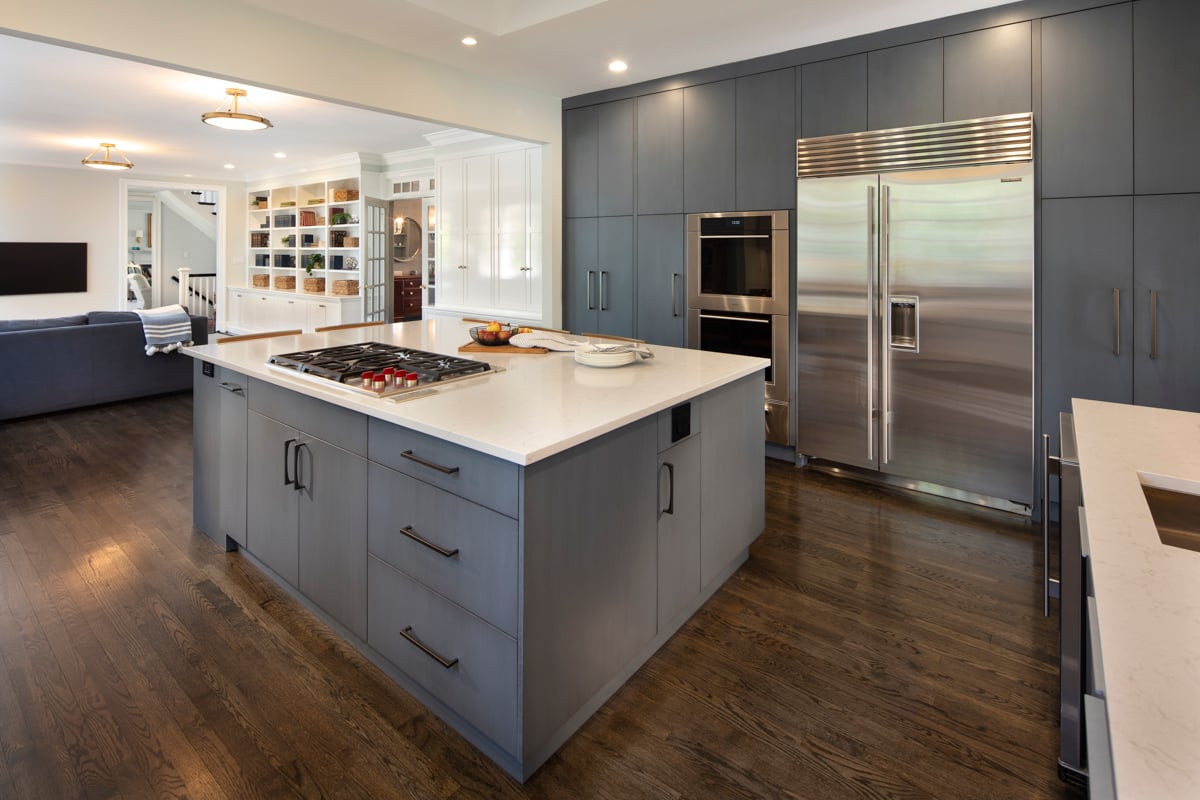
Is It Worth Renovating an Older Kitchen?
For many homeowners, the answer is yes.
Historic and established homes throughout the Washington metropolitan area offer character that simply cannot be replicated. A well-planned kitchen renovation preserves that architectural integrity while introducing modern comfort, improved functionality, updated building systems, and timeless materials that feel appropriate to the home.
Rather than chasing trends, the goal is to create a kitchen that feels as though it has always belonged there—only better suited for how you live today.
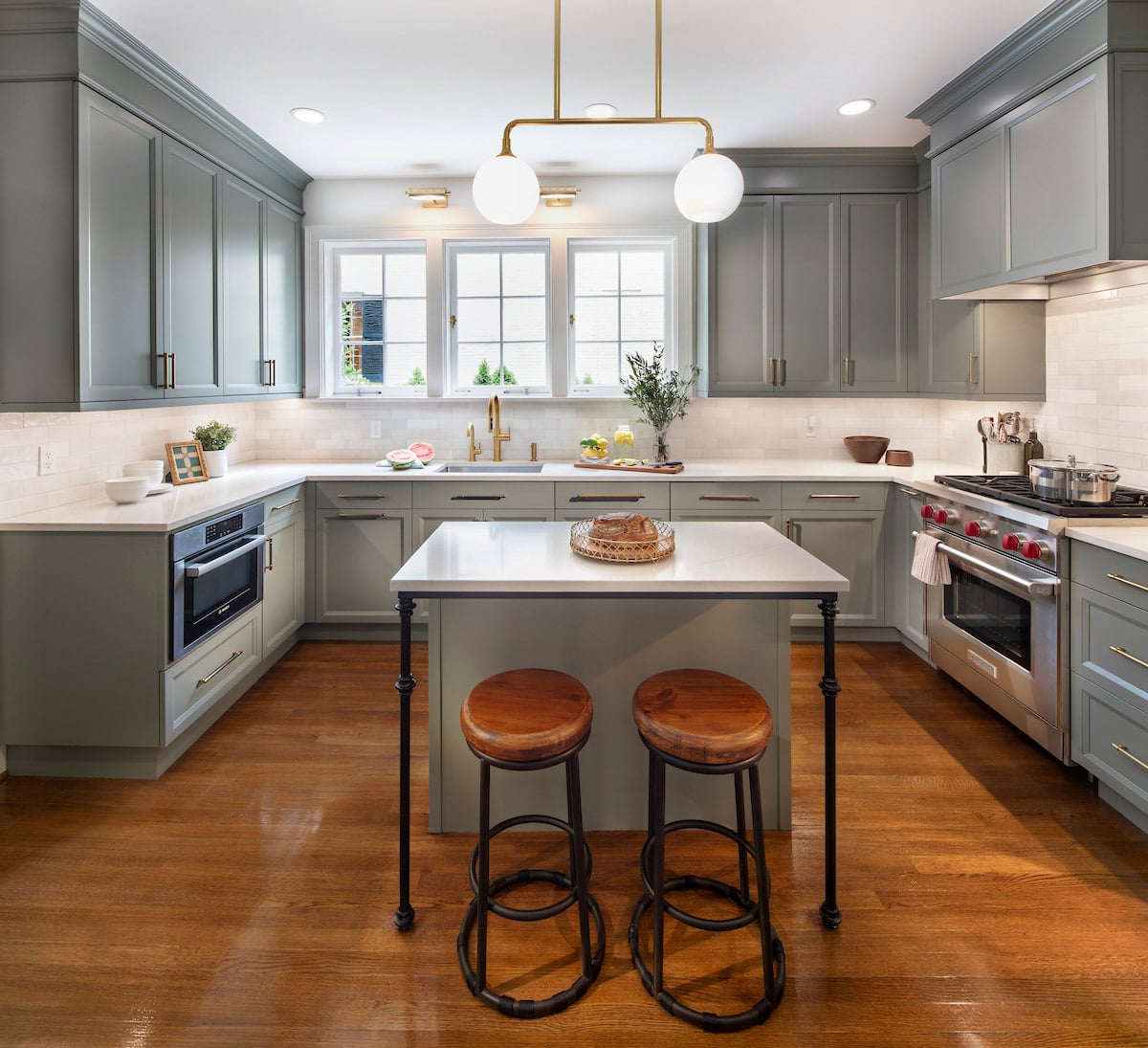
The Value of a Design-Build Assessment
One of the greatest advantages of working with an experienced design-build firm is gaining clarity before making significant decisions.
Rather than assuming every kitchen requires a complete gut renovation—or recommending cosmetic improvements that won't address the underlying issues—a comprehensive design-build assessment evaluates the entire space.
An integrated team considers:
- How your family uses the kitchen
- The strengths and limitations of the existing layout
- Opportunities to improve workflow and circulation
- Plumbing, electrical, and mechanical systems
- The architectural character of your home
- Your long-term goals for the property
This holistic approach allows homeowners to make informed decisions based on function, value, and long-term performance—not simply appearance.
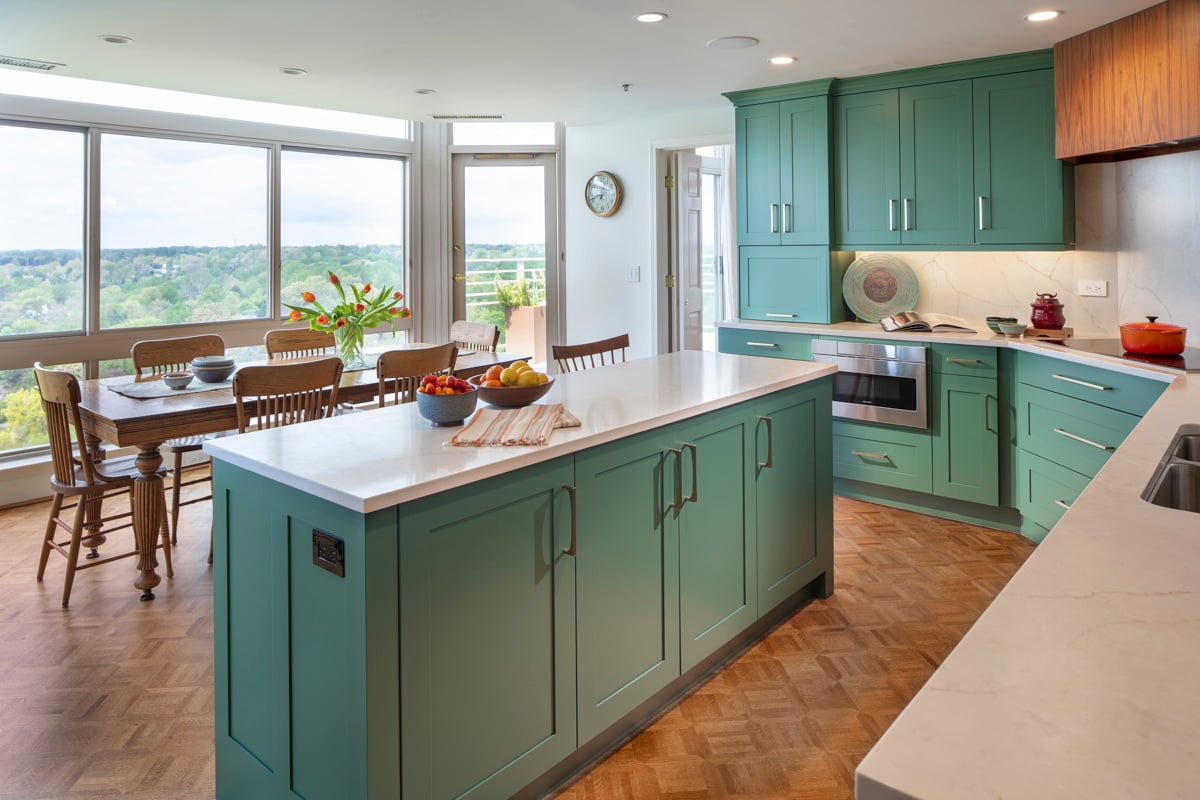
Comparing Kitchen Updates and Full Renovations
A targeted kitchen update generally involves less construction, lower investment, and a shorter project timeline. It can be an excellent solution when the kitchen's overall design still supports your lifestyle.
A full renovation requires greater planning and investment, but it also creates opportunities that cosmetic improvements simply cannot achieve.
These include:
- Reconfiguring walls and traffic flow
- Increasing usable workspace
- Improving natural light
- Implementing an artful lighting design
- Upgrading plumbing and electrical systems
- Expanding storage
- Integrating appliances seamlessly
- Creating a kitchen that complements the architecture of the home
Rather than viewing these as competing options, it's more helpful to think of them as different solutions for different situations.
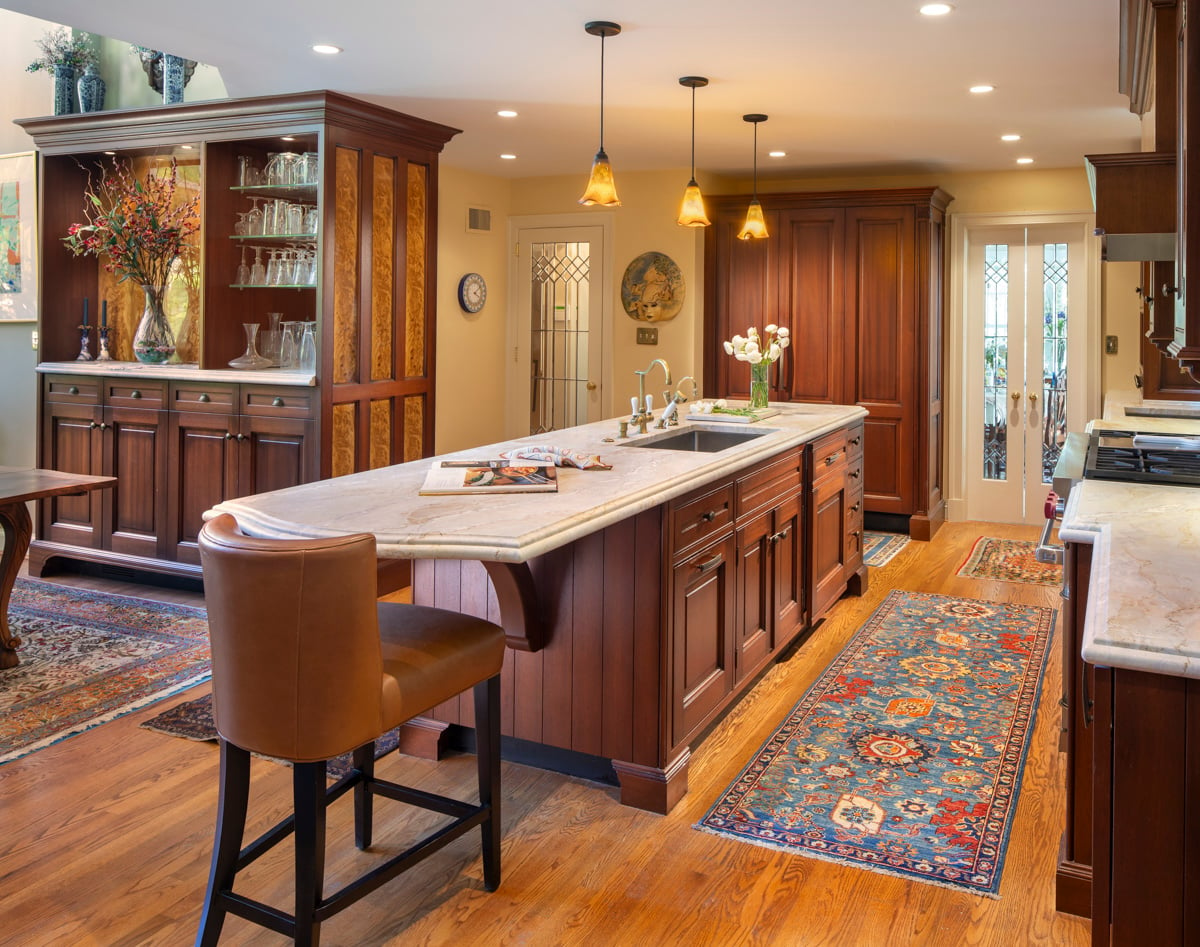
Making the Right Decision
The best renovation decisions begin with an honest evaluation—not of what's fashionable, but of how well your kitchen supports your daily life.
If your concerns are primarily cosmetic, carefully selected updates may be exactly what you need. If you're frustrated every time you cook, entertain, or try to organize the room, “rethinking” the design and layout of the space will be to your benefit.
Working with Gilday Renovations
At Gilday Renovations, we practice a design build approach to kitchen design and remodeling. Our integrated team of architects, interior designers, and expert craftsmen evaluate your kitchen as a complete system. We consider how your family lives, how your home is built, and what improvements will provide lasting value. Sometimes that leads to recommending strategic updates. Other times, it confirms that a thoughtfully planned renovation will deliver a more functional, beautiful, and enduring result.
If you're wondering when to renovate your kitchen, scheduling a consultation can give you the clarity you need to move forward with confidence. The goal isn't simply to create a more beautiful kitchen—it's to recommend the solution that truly fits your home, your lifestyle, and your long-term investment!
Frequently Asked Kitchen Renovation Questions
1 When should you renovate your kitchen instead of updating it?
If your kitchen has an inefficient layout, outdated plumbing or electrical systems, inadequate storage, or recurring maintenance issues, a full renovation often delivers greater long-term value than cosmetic updates.
2 Is it cheaper to update a kitchen or remodel it?
A cosmetic update generally costs less initially because it focuses on a limited scope of replacements such as cabinets, countertops, and lighting. A full remodel addresses layout, infrastructure, and functionality, often providing greater long-term value over the life of your home.
3 How do I know if my kitchen layout should change?
If cooking feels cramped, multiple people struggle to work together, storage is inadequate, or the kitchen feels disconnected from adjacent living spaces, reconfiguring the layout may significantly improve everyday living.
4 Why choose a design-build remodeling company for a kitchen remodel?
A design-build team coordinates architecture, interior design, budgeting, and construction through one interconnected process. This collaborative approach results in clearer communication, more accurate planning, and a seamless renovation experience from concept through construction.